Last Update:
When choosing kitchen splashback tiles in 2026, the trend has shifted toward tactile depth and seamless finishes. Key options include:
- Large Format Tiles & Porcelain Slabs: Best for modern, minimalist looks and minimal grout maintenance.
- Mosaic Tiles & Zellige: Ideal for adding texture, character, and masking uneven walls.
- Subway Tiles: The timeless, cost-effective choice for standard 600mm splashbacks.
Current material trends prioritise 'New Neutrals' like Sage and Terracotta, as well as fluted textures and bookmatched marble.
What Size Tiles Are Best for a Kitchen Splashback?
The right tile size really depends on the 'vibe' of your kitchen and, more importantly, how much you hate cleaning grout. Whether you’re looking at the traditional 100x300 subway or a massive porcelain slab for that seamless look, the scale you choose changes everything about how the room feels.
Choosing a tile size isn’t just a style choice; it’s a lifestyle one. You have to consider how the lines line up with your cupboards and, more importantly, how much time you’re willing to spend scrubbing grout.
Here’s a quick breakdown of the most common sizes and how they actually work in a real kitchen layout…
Standard vs. Trending: The Kitchen Splashback Tile Breakdown
The ‘best’ size is no longer just about standard rectangles. It’s a choice between the textured detail of smaller formats and the sleek, low-maintenance appeal of oversized slabs.
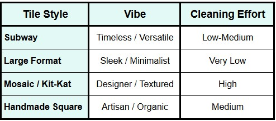
⭐ The Reliable Classics
Classic Subway Tiles (75x300mm to 100x400mm)
Still the go-to for Australian kitchens. To keep it modern, homeowners are moving away from horizontal brick-bond and toward vertical stacking to add height.
Square Zellige (100x100mm)
The ‘handmade’ look is a top 2026 trend. These small squares provide a tactile, organic finish that hides minor splashes better than flat ceramic tiles.
✨ The Modern Contenders
Large Format & Slabs (600x1200mm+)
Using a single porcelain panel is the ultimate 'clean' choice. With almost zero grout lines, it’s the easiest surface to maintain and creates a high-end, seamless stone look.
Kit-Kat & Finger Mosaics
These slim, vertical strips add instant architectural interest. While they require more grout, they are the standout choice for curved walls or focal points behind the cooktop.
The Relationship Between Tile Size & Kitchen Scale
A common mistake is thinking small kitchens need small tiles. The truth is, the scale of your tile can completely change how big the room actually feels.
Small Kitchens: The Stretch Effect
In a compact space, you want to reduce visual ‘noise’.
The Pro Move: Large format tiles or slabs. Fewer grout lines mean fewer ‘breaks’ for the eye, making the splashback look like one continuous, expansive surface.
The Alternative: If you go small, match your grout colour to the tile. This prevents a busy grid look from making the walls feel like they’re closing in.
Large Kitchens: Anchoring the Space
Large kitchens can handle more detail without feeling cluttered.
The Pro Move: This is the time for mosaic tiles or textured squares. Use them to create a focal point behind the cooktop to add character and ‘ground’ the room.
Vertical Thinking: If you have long benches but low ceilings, stack your tiles vertically. It draws the eye upward and balances the proportions of the room.
The 600mm Rule
The standard gap between a benchtop and upper cabinets is 600mm. Choosing a tile that divides evenly into this height (like a 300mmlength or a 600mmslab) avoids awkward ‘slivers’ or tiny cuts at the top. It’s a simple trick that makes the finished job look custom-designed.
Practical Considerations
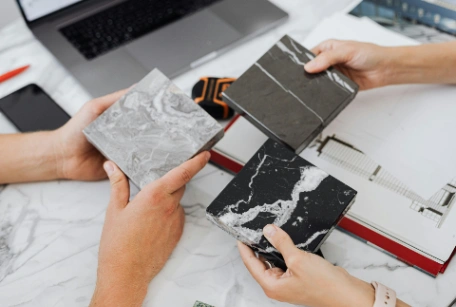
Beyond the look, you have to live with these tiles. Before you fall in love with a size in the showroom, consider the ‘on-the-tools’ reality of the installation.
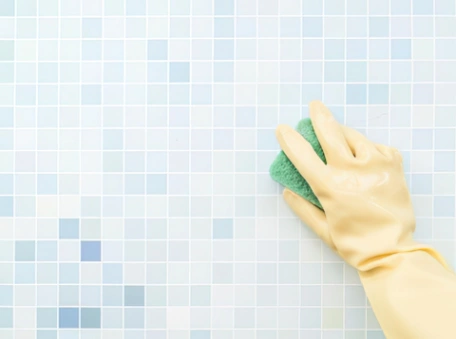
The Grout-to-Tile Ratio: Cleaning vs. Aesthetics
The math is simple: the smaller the tile, the more you have to scrub.
High Maintenance: Mosaics and Kit Kat tiles look incredible but require significantly more cleaning.
Low Maintenance: Large format slabs are the ultimate lazy choice; a quick wipe is usually all it takes.
Sockets & Cut-outs: The Challenge of Marble Tiles
You likely have power points on your splashback, and they affect your tile choice.
Small Tiles: These are easier to work around. Sockets can usually sit neatly within the layout with simple cuts.
Large Slabs: Cutting into an expensive porcelain slab is high-stakes. One mistake is a costly error, and it requires a much higher level of skill from your tiler.
The ‘Wonky Wall’ Factor: When to Avoid Large Format Tiles
This is the hidden deal-breaker, especially in older renovations.
Small Tiles: Much more forgiving on walls that aren't perfectly flat.
Large Slabs: These require a near-perfect surface. If your walls have a ‘bow’ in them, expect to pay more for prep work before the tiles can even be laid.
Visual Impact: Orientation & Layout
Size is only half the battle; how you aim the tiles changes the shape of your kitchen. Use orientation to fix architectural quirks or highlight your best features.
Vertical Thinking
If you have long benches but low ceilings, stack your tiles vertically. It draws the eye upward, tricking the brain into thinking the ceiling is higher than it actually is.
The Look: Architectural and modern.
Pro Move: Use a ‘stacked’ bond (perfectly aligned rows) to keep the lines clean and crisp.
The Horizontal Stretch
Most splashbacks are long and narrow. Laying tiles horizontally emphasises that length, making your benchtop feel like it goes on forever.
The Look: Classic, calm, and expansive.
Pro Move: Match your grout colour to the tile to remove the ‘grid’ and create a seamless, sleek flow.
The 45-Degree Trick
Patterns like Herringbone tiles or Chevron add movement. Because the lines point diagonally, they break up the ‘boxiness’ of a standard kitchen.
The Look: High-end and custom-designed.
The Reality Check: These layouts mean more cuts and more waste. Order 15% extra (instead of the usual 10%) to cover the off-cuts.
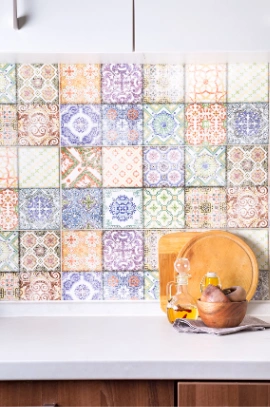
2026 Material Trends for Splashbacks
The sterile, ‘all-white’ kitchen is officially over. This year is about tactile depth: materials that feel organic and intentionally imperfect.
Zellige & Handmade Clay
Handmade Moroccan tiles (Zellige) are the 2026 heavyweight. No two tiles are identical, which creates a ‘shimmer’ as light hits the uneven surfaces.
The Vibe: Artfully imperfect and luminous.
Pro Tip: Keep grout lines tiny to let the raw edges shine.
The Infinity Slab
Running your benchtop material straight up the wall is the ultimate power move this year. It's all about zero grout lines and a seamless flow.
The Vibe: High-end, gallery-like, and incredibly easy to clean.
The 2026 Twist: ‘Bookmatching’, lining up stone veins to mirror each other, is the gold standard.
Fluted & Ribbed Textures
Texture is the new pattern. We're seeing a surge in 3D ‘ribbed’ ceramics and fluted glass tiles that create a shadow play on the wall.
The Vibe: Minimalist but bold. It adds ‘noise’ without the clutter of a busy print.
Earthy Neutrals
Cool greys are out; warm, muddy tones are in.
The Palette: Think Sage Greens, Terracotta, and Sandstone. It’s about bringing Mediterranean warmth back into the home.
The Final Verdict: Which Splashback Tiles Are Right for You?
Choosing a tile size isn't just about the look; it’s about balancing your kitchen’s layout with your lifestyle. Use this quick guide to make your final call:
Go Large (600mm+ or Slabs) if:
You have a modern, minimalist kitchen, you hate scrubbing grout, and your budget allows for a specialist installer. It’s the ultimate way to make a small kitchen feel 'expensive' and expansive.
Go Small (Mosaics / Kit Kats) if:
You want to add texture and character to a larger room, or if you’re working with older, ‘wonky’ walls that won't play nice with a large slab.
Go Standard (Subway / 300mm) if:
You want a timeless look that is easy to install, cost-effective, and fits perfectly into the standard 600mm splashback height without awkward cuts.
💥Pro Tip: Before you buy, grab a sample of your top two choices and lean them against your kitchen wall. The light in your home is different from the light in the showroom, and you’ll instantly know if the scale feels ‘right’ once it’s in the space.
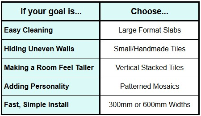
The Bottom Line: Your Splashback Shortcut
Choosing the right kitchen splashback tiles comes down to one question: Do you want to clean grout, or do you want to hide wall imperfections?
- For a seamless, high-end look: Go with large format tiles or porcelain slabs.
- For character and texture: Stick with mosaic tiles or the "perfectly imperfect" Zellige.
- For a safe, timeless win: You can’t beat the classic subway tiles.
Still torn? Grab two samples, lean them against your wall, and watch how the light hits them. Your gut will tell you which one feels like home.
For more information or to book a kitchen tiler, call our friendly Tile For Life team on 04 1127 6281 today.
Resources:
Home Beautiful - Gorgeous kitchen splashback tile ideas to make a big impact on any budget
Houzz - How Do I... Choose Tiles for My Kitchen Splashback?
Real Homes - Choosing the right size tiles for a small kitchen
Verity Jane - 62 tiled splashbacks you shouldn't be afraid to use
Architecture & Design - Australia's top kitchen splashback designs
Tiento - Small Tiles versus Large Tiles: Choosing the Right Size for Your Space
